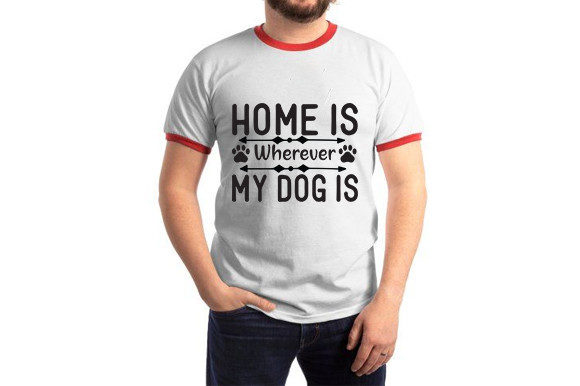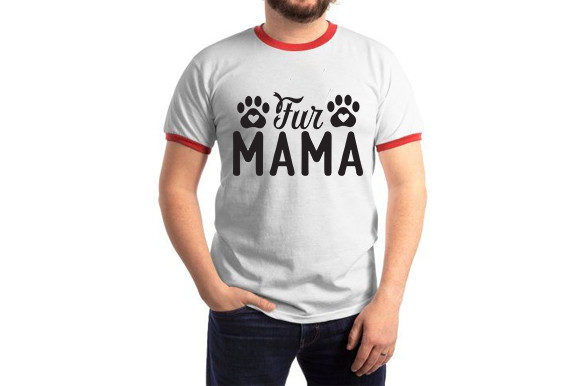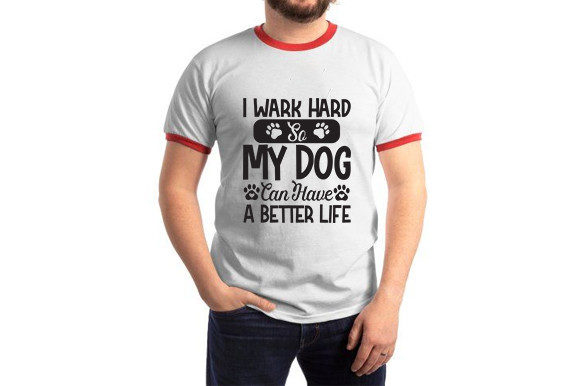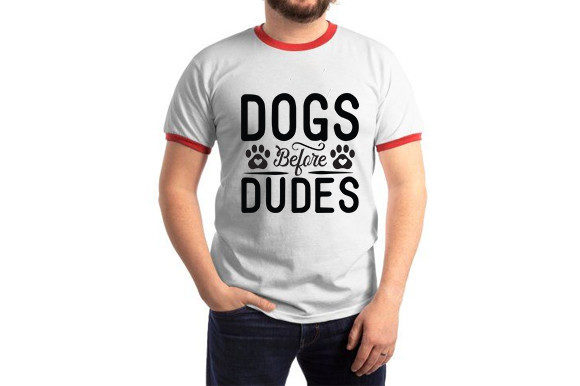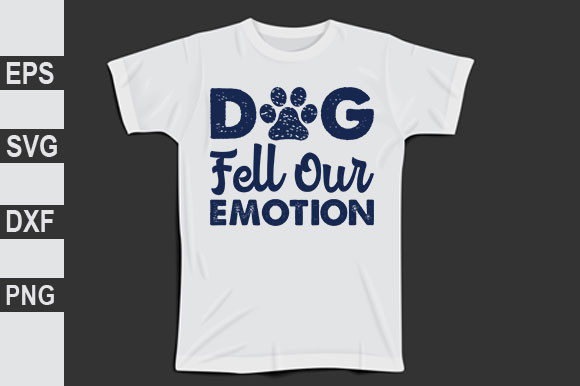
Dog SVG Design: Dog Fell Our Emotion
First Impressions: Warm, Sincere, and Quietly Expressive
Opening the Dog Svg Design, Dog Fell Our Emotion ZIP folder feels like unboxing a quiet moment—not flashy, but emotionally grounded. The design centers on a stylized dog face, softly rounded with gentle lines and minimal negative space. It’s not cartoonish or overly detailed; instead, it leans into emotional resonance through posture and composition—slightly tilted head, closed eyes, subtle curve of the muzzle suggesting calm affection. As an embroidery designer who’s stitched hundreds of pet-themed pieces, I immediately sensed its strength: this isn’t just decoration—it’s narrative shorthand. It belongs on items where sentiment matters more than spectacle: baby onesies, linen tea towels, embroidered pillow covers for a nursery, or minimalist sweatshirts for animal lovers.
Real-World Test: A Personalized Tote Bag for a Local Pet Rescue Fundraiser
Last week, I used Dog Svg Design, Dog Fell Our Emotion to create a limited-run embroidered tote bag for a neighborhood rescue’s adoption event. We chose natural canvas—medium-weight, slightly textured—and paired it with soft heather gray thread. The result? A finished product that felt handmade without looking amateurish. Customers paused at the booth—not because it screamed “look at me,” but because the design invited touch and quiet recognition. That’s the power here: it works as both a machine embroidery design and a visual anchor for empathy. Unlike busier graphics, this one breathes. It doesn’t compete with fabric texture or overwhelm the garment—it complements it.
Where It Shines (and Where to Pause)
This design excels in contexts where subtlety builds trust: personalized gifts, boutique branding, and small shop merchandise. On a cotton apron for a vet clinic? Perfect. As a single embroidered patch on a denim jacket? Thoughtful and cohesive. On a baby blanket with delicate fill stitch and low-density satin borders? Yes—its clean silhouette holds up beautifully even at 3.5" wide.
But real-world use means real constraints. On stretchy fabric like jersey t-shirts, I recommend testing stitch density first—the curves near the ears and jawline can pucker if the fill stitch is too dense or the stabilizer too light. On dark fabric, avoid thin running-stitch outlines unless you’re using high-contrast thread; they’ll disappear. And on curved surfaces like caps? Stick to placements above the bill—this design’s balance relies on flat, centered presentation. Tiny lettering isn’t part of the file (thankfully), so no worries about legibility at small scales—but don’t force it below 2.75" without verifying detail retention in your embroidery software.
Design Assets That Support, Not Complicate
The inclusion of EPS, SVG, PNG, and DXF files gives flexibility across workflows—not just for embroidery machines, but for laser cutting, vinyl application, or printable mockups. As a craft business owner, I appreciate being able to prep a consistent digital embroidery file for my Brother Innov-is and still drop the SVG into Canva for Etsy listing visuals. That cross-format readiness saves time when juggling custom apparel orders, holiday embroidery batches, or wholesale patch production.
Stitching Clarity Meets Emotional Authenticity
What makes Dog Svg Design, Dog Fell Our Emotion stand out isn’t technical perfection—it’s intentional restraint. There are no gratuitous details to snag thread or distort on textured fabrics like terry cloth or heavy twill. The eye area uses smooth satin stitch rather than complex layered fills, reducing stitch count while preserving expression. That directly impacts customer perception: fewer jump stitches mean cleaner edges, which reads as professional. Fewer dense areas mean less stiffness—critical for baby embroidery or wearable items meant for daily use.
I’ve seen too many “cute dog” designs fail in real life because they prioritize cuteness over constructability. This one doesn’t. Its balanced proportions translate cleanly whether stitched in monochrome or two-tone thread. On a light-colored kitchen towel? Soft taupe and oatmeal thread gave warmth without contrast fatigue. On a navy sweatshirt? Charcoal and cream kept it grounded—not loud, but unmistakably present.
Practical Designer Notes Before You Stitch
- Always test on scrap fabric first—especially if pairing with textured or lightweight materials.
- Review stitch density in your embroidery software; reduce fill density by 10–15% if stitching on knits or loosely woven cotton.
- Confirm hoop size compatibility; the design fits comfortably in a 4x4 hoop, but verify exact dimensions before resizing.
- Inspect small details at actual stitch scale—the subtle curve beneath the chin should remain smooth, not pixelated or jagged.
- Test black-and-white mockups to gauge contrast on both light and dark backgrounds before finalizing thread colors.
- Use tear-away + light cut-away stabilizer combo for medium-weight apparel; skip heavy cut-away unless working with unstable blends.
- Check licensing terms before selling finished products or reselling the digital embroidery file—this is essential for Etsy sellers and commercial embroidery shops.
Why It Fits Your Craft Business—Without Asking You to Compromise
If you’re an Etsy seller building a cohesive line of pet-themed handmade products—or a small shop owner curating meaningful holiday embroidery for local customers—Dog Svg Design, Dog Fell Our Emotion delivers quiet authority. It doesn’t shout “trendy.” It whispers “I see you.” That builds buyer engagement naturally. Customers remember how a piece made them feel—not just what it looked like. And for creative entrepreneurs, that emotional resonance translates directly to repeat orders, thoughtful reviews, and word-of-mouth referrals.
It’s also versatile enough to serve multiple roles: a standalone tote bag design, a companion graphic for a matching set of embroidered patches and tea towels, or a tender accent on a wedding gift for a couple adopting their first dog. In every case, it maintains brand consistency—not through rigid repetition, but through consistent tone. That’s rare in T-Shirt Designs and Graphics meant for broad reuse.
Bottom line? This isn’t just another dog vector. It’s a well-considered design asset—one that earns its place on real products, in real hands, long after the hoop comes off.