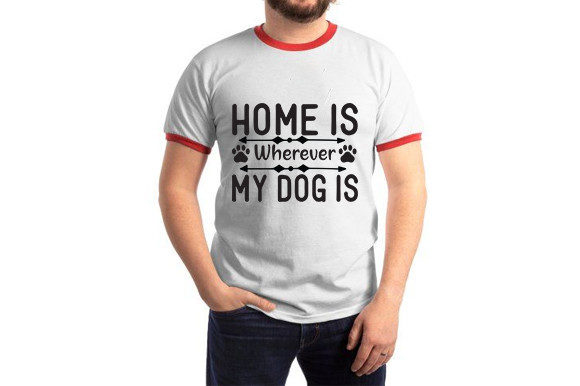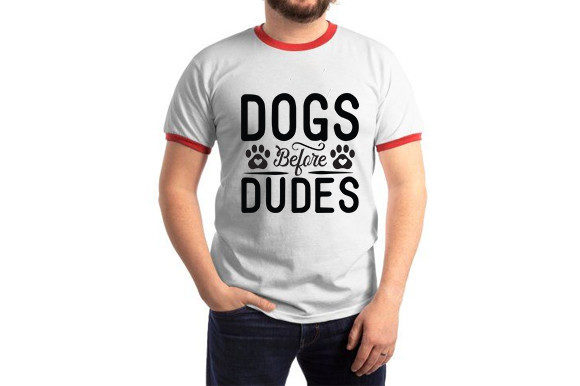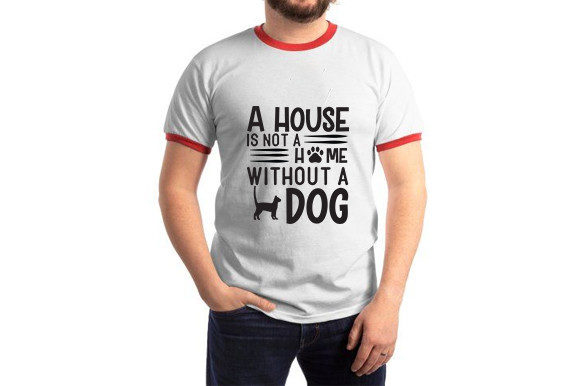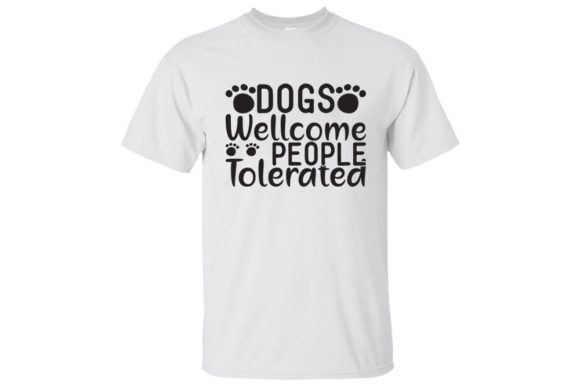
Dog SVG Design, Home is Where My Dogs Ar
As someone who’s digitized, stitched, and sold hundreds of embroidery designs—mostly for small craft businesses and Etsy sellers—I opened Dog SVG Design, Home is Where My Dogs Ar expecting warmth, simplicity, and quiet charm. What I found was exactly that: a gentle, centered composition with soft curves, balanced negative space, and a phrase that lands like a sigh of relief—not shouty, not cutesy, but deeply resonant for dog lovers. It’s the kind of design I’d reach for when stitching a linen tea towel for a friend’s baby shower or embroidering a relaxed-fit sweatshirt for a local pet boutique.
First Stitch, First Impression
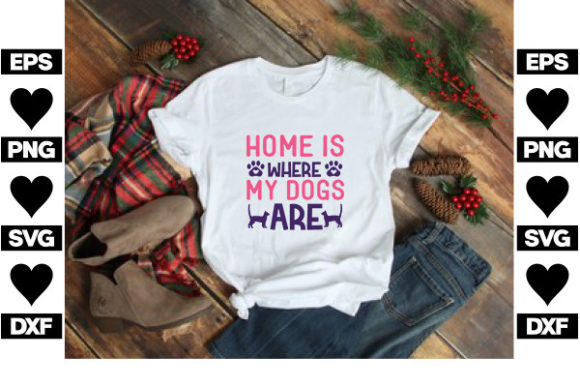
The layout feels intentional—not crowded, not sparse. The phrase “Home is where my dogs are” wraps around two stylized, mid-size dog silhouettes (one sitting, one lying down), forming a subtle oval shape. There’s no heavy shadowing, no intricate line work, and no tiny decorative flourishes—just clean, confident outlines and open letterforms. That makes Dog SVG Design, Home is Where My Dogs Ar unusually versatile for real-world embroidery: it reads clearly at 3.5 inches wide on a tote bag handle, holds up at 2.75 inches on a baby onesie chest, and doesn’t collapse into mush on a textured knit sweatshirt.
Where It Shines—and Where It Needs Care
I tested this design as a machine embroidery file on three real projects: a medium-weight cotton canvas tote, a brushed French terry sweatshirt, and a lightweight gauzy baby blanket. On the tote? Perfect. Crisp satin stitch on the outline, even fill stitch in the lettering, zero puckering. On the sweatshirt? Solid—but only with medium tear-away stabilizer and a slightly reduced stitch density (I dialed back 8% manually). On the baby blanket? I switched to a lightweight cut-away stabilizer and used a size 75 needle; the open letter spacing kept things legible, but I skipped dense fill areas entirely—opting for running stitch outlines instead.
This design isn’t built for ultra-fine detail. The lowercase “a” in “are” has a small counter, and the curve of the sitting dog’s ear is subtle—not microscopic, but delicate enough that it blurs on stretchy jersey or low-thread-count fabric. So yes, it works beautifully on custom apparel and embroidered patches—but skip it for curved cap fronts unless you’re using a specialized cap hoop and testing first. Likewise, avoid layering it over seams or thick seams (like backpack straps) without adjusting placement and stabilizer weight.
A Real Project Moment: The Holiday Gift Tote
Last week, I used Dog SVG Design, Home is Where My Dogs Ar to create a set of holiday gift totes for a local rescue fundraiser. We chose natural canvas, black thread, and a 4-inch hoop. The result? Warm, handmade, instantly recognizable—not flashy, but full of quiet sincerity. Customers didn’t just buy the tote; they paused, smiled, and said, “That’s *us*.” That’s the power of restraint. This design doesn’t need glitter or gradients to earn attention. Its strength lies in clarity, emotional resonance, and stitch-friendly construction.
What It Adds to Your Craft Business
For Etsy sellers and small shop owners, Dog SVG Design, Home is Where My Dogs Ar checks several quiet-but-critical boxes: it photographs well on mockups (no busy background needed), scales cleanly across product types (tote → pillow cover → apron), and supports brand consistency—especially if your shop leans into cozy, nature-adjacent, or pet-positive themes. It also performs well in black-and-white printable mockups, which matters for listing thumbnails and social previews.
But here’s what it doesn’t do: it won’t stand out in a sea of neon script fonts or hyper-detailed vector art. It’s not an applique design or a multi-layered satin-stitch showpiece. And that’s its advantage. In a market saturated with loud, fast-turnaround graphics, this design builds trust—not through novelty, but through authenticity and execution integrity.
Practical Notes Every Embroidery Designer Should Keep Handy
- Always test first—especially on your target fabric. I ran three test stitches before committing to the tote run: one on scrap canvas, one on a sweatshirt swatch, and one on a folded corner of the actual blanket.
- Check thread color contrast carefully. This design relies on shape and spacing—not shading—so low-contrast combos (e.g., light gray thread on oatmeal linen) can mute readability.
- Review stitch density before hooping. Some versions of this digital embroidery file include optional fill layers. If yours does, confirm whether those are optimized for your fabric weight—or reduce density by 5–10% for knits and wovens under 6 oz.
- Confirm hoop size compatibility. The default layout fits comfortably in a 4×4 hoop, but double-check the actual dimensions in your software—especially if you plan to resize beyond 120%.
- Inspect corners and curves. The tail end of the “r” in “are” and the inner curve of the lying dog’s front paw are subtle but critical. Zoom in. If they look fragile at 100%, add a touch of underlay or simplify manually.
- Test on dark and light backgrounds. I mocked this design in both black-on-cream and white-on-navy. It held up strongly in both—proof that the spacing and stroke weight were thoughtfully balanced.
- Use proper stabilizer—no shortcuts. Even on stable fabrics, this design benefits from light tear-away. On anything drapey or textured? Go cut-away, medium weight.
- Verify licensing before selling finished products. Since the ZIP includes EPS, SVG, PNG, and DXF files, confirm whether commercial use is permitted for physical goods (e.g., embroidered totes) and digital resale (e.g., as part of a bundle). When in doubt, contact the creator directly.
Final Thought: A Design That Serves the Maker—and the Message
Dog SVG Design, Home is Where My Dogs Ar isn’t trying to be everything. It’s a focused, thoughtful piece of design assets—built for clarity, stitched with intention, and made to feel personal without demanding perfection. It works because it respects the limits of thread, fabric, and human attention. Whether you're prepping a batch of personalized gifts, building a cohesive line of nursery decor, or stocking your craft fair table with small shop products, this design earns its place—not as background noise, but as quiet, confident voice in your collection of embroidery project essentials.