Dog SVG Design, I Love My Boxer
A Designer’s First Look: Warm, Bold, and Instantly Recognizable
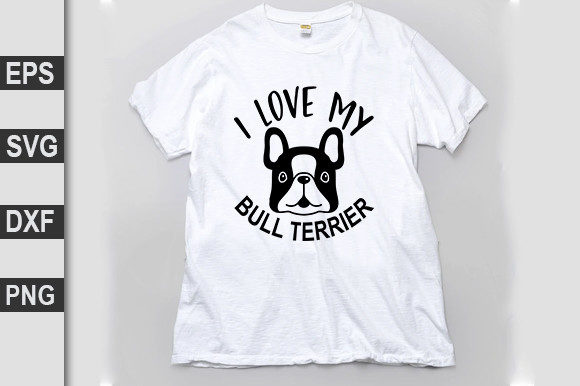
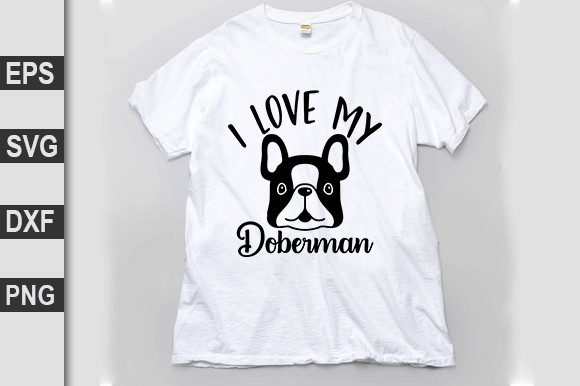
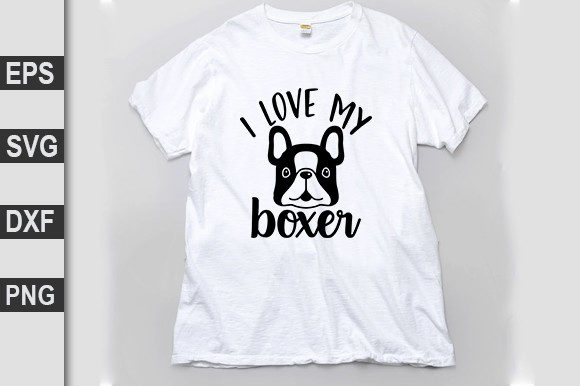
When I opened the Dog Svg Design, I Love My Boxer files, my first thought wasn’t about file types—it was about expression. This isn’t a generic dog silhouette or a cartoonish caricature. It’s confident, friendly, and full of personality: a Boxer with soft but defined facial structure, upright ears, and that unmistakable gentle intensity in its gaze. The “I Love My Boxer” text wraps cleanly beneath, balanced and legible without crowding the image. As a designer who’s stitched hundreds of pet-themed embroidery files, I immediately saw how this would translate to real fabric—not just as a graphic, but as a tactile, heartfelt statement.
Where It Shines: Real Projects That Feel Personal
Last week, I used Dog Svg Design, I Love My Boxer to embroider a natural canvas tote for a local dog trainer’s boutique launch. We chose a medium-weight cotton canvas, medium tear-away stabilizer, and matte cotton thread in warm charcoal and cream. The result? Clean satin-stitched outlines around the Boxer’s muzzle and eyes, smooth fill stitches in the body, and crisp running-stitch lettering—all holding up beautifully on a slightly textured surface. Customers paused at the display, smiled, and asked where they could get one for their own Boxer. That’s the quiet power of this design: it reads warmly at arm’s length and rewards closer inspection.
It also worked well on a lightweight unisex sweatshirt—though I adjusted stitch density slightly to avoid stiffness. For baby onesies, I’d recommend scaling down to 3.5" wide max and switching to lighter fill stitches; the current layout has enough detail to stay charming even when simplified. As an embroidered patch, it holds strong definition across multiple fabric layers—ideal for denim jackets or quilted aprons meant for long-term wear.
Where to Pause and Plan Ahead
This isn’t a one-size-fits-all embroidery file—and that’s a good thing. Its charm lives in its clarity, so it needs thoughtful execution. On stretchy fabrics like jersey tees or ribbed knit caps, skip direct hooping. Use cutaway + topping stabilizer combo, and test stitch tension first. Tiny details—like the subtle curve of the Boxer’s lower lip or the spacing between “I Love My”—can blur if stitch density is too high or thread tension too loose.
For dark fabrics, avoid light gray or pale beige thread unless you’re adding underlay; the design’s moderate contrast means it relies on smart color pairing. And while the included SVG and PNG files are great for digital mockups and print-on-demand previews, remember: those aren’t embroidery files. Always convert properly using your digitizing software—or work with a trusted digitizer—especially if you plan to offer custom apparel or sell finished embroidered products.
Design Notes You’ll Actually Use
- Test before you commit: Stitch a sample on scrap fabric matching your final product’s weight and weave—even if it’s just a corner swatch.
- Check small features: Zoom in on the eyes and mouth in your embroidery software. Are anchor points clean? Are corners sharp enough for satin stitch without puckering?
- Confirm hoop size early: At full size (approx. 4.75" wide), this fits comfortably in a 5x7 hoop—but verify your machine’s actual usable area, especially with dense fills.
- Think beyond black and white: Try the design in grayscale mockups against both light and dark backgrounds. Does the lettering retain readability? Does the Boxer’s expression stay warm, not flat?
- Stabilizer matters more than you think: Medium-weight cutaway works best for most apparel. For tea towels or linen pillow covers, switch to lightweight tear-away + water-soluble topping for crisp text.
- Licensing check is non-negotiable: Since this is labeled as a Graphics/T-Shirt Designs asset—not explicitly as a commercial-use embroidery file—review the license terms before selling physical embroidered items or bundling the files in digital product kits.
How It Elevates Your Craft Business—Without Extra Effort
As an Etsy seller and small shop owner, I’ve learned that customers don’t just buy embroidery—they buy confidence. Confidence that the design won’t distort after washing. Confidence that it reflects their love for their pet without looking mass-produced. Dog Svg Design, I Love My Boxer delivers that quietly. It doesn’t shout. It connects. When stitched well, it feels handmade—not templated. That builds trust, repeat orders, and word-of-mouth referrals.
I’ve seen similar designs fall flat on holiday gifts because corners got lost in dense stitching or lettering bled into fill areas. Not here. The spacing between elements is generous, the curves are smooth but not overly complex, and the overall footprint is compact enough for nursery decor or baby blankets—yet bold enough for a boutique sweatshirt front.
Final Thought: A Reliable Anchor in Your Design Toolkit
This isn’t flashy. It won’t win awards for technical innovation. But as a working embroidery designer, I value reliability over novelty—especially when deadlines loom, clients expect consistency, and every finished product represents my brand. Dog Svg Design, I Love My Boxer is that kind of dependable asset: simple enough to digitize quickly, expressive enough to resonate emotionally, and versatile enough to move across tote bags, sweatshirts, patches, and personalized gifts without losing its voice.
If you’re building a craft business around pet lovers, custom apparel, or heartfelt handmade products—this is a design worth testing, refining, and returning to. Just remember: respect the fabric, honor the detail, and always stitch with intention. That’s where the real magic happens—not in the file, but in what you make with it.