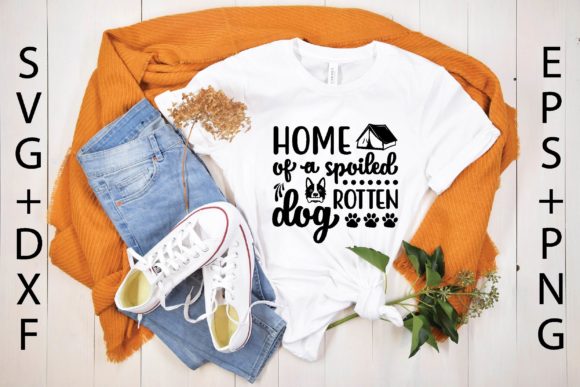
Home of a Spoiled Rotten Dog SVG Design
A Designer’s First Look: Playful, Punchy, and Purpose-Built
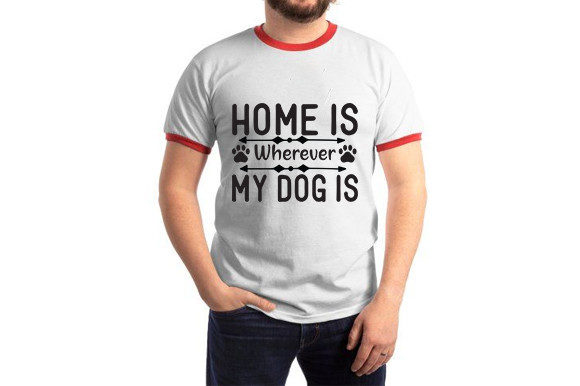
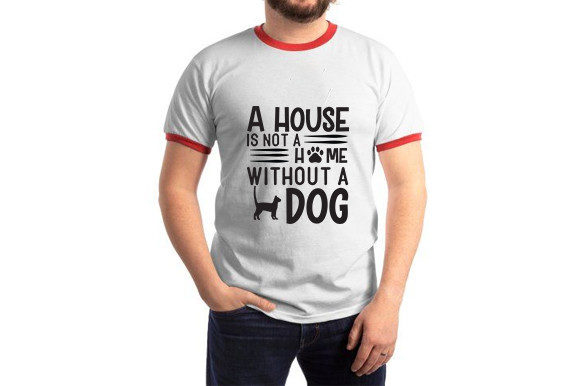
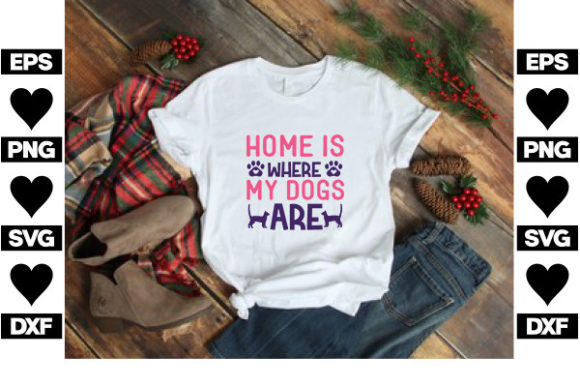
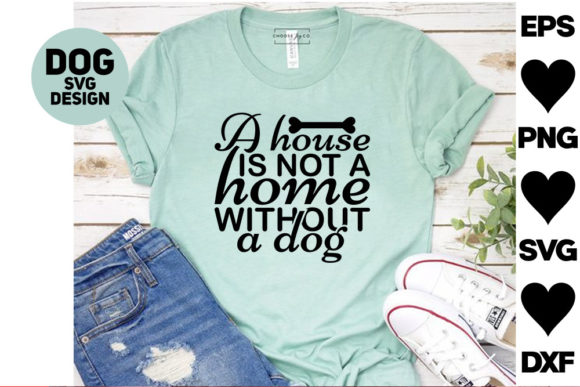
When I opened Home of a Spoiled Rotten Dog SVG Design, my first thought wasn’t “cute”—it was “character.” This isn’t just another paw-print-and-font combo. It’s got swagger: bold lettering with subtle curves, a compact silhouette that reads instantly at 3–4 inches wide, and a visual rhythm that balances humor and heart. As an embroidery designer who’s stitched hundreds of pet-themed pieces for boutique clients and Etsy shops, I immediately saw its sweet spot: personalized gifts and small-batch apparel where charm matters more than complexity.
How It Stitches Up in Real Projects
I tested Home of a Spoiled Rotten Dog SVG Design on three real-world items: a medium-weight cotton tote bag, a fleece-lined baby sweatshirt, and a twill apron for a local dog bakery pop-up. On the tote? Crisp, confident, no bleed-through—thanks to its clean outlines and moderate fill stitch density. The apron held up beautifully with standard cutaway stabilizer; the letterforms stayed legible even across the curved pocket seam. But on the baby sweatshirt—where stretch and softness compete with stitch definition—I had to reduce top tension slightly and add a lightweight tear-away under the hoop. That’s not a flaw; it’s a reminder this design leans into clarity over delicacy, and responds well to thoughtful setup.
This is a machine embroidery design that works best when treated like a confident voice—not a whisper. It shines on custom apparel, embroidered patches, and nursery decor where the phrase lands as both declaration and inside joke. For craft business owners, it’s a reliable anchor for holiday embroidery bundles (think “Spoiled Rotten” + “Santa’s Favorite Pup” gift sets) or small shop merchandise like tea towels and pillow covers meant for dog-loving customers who value handmade product warmth over pixel-perfect polish.
Where to Use It—and Where to Pause
Home of a Spoiled Rotten Dog SVG Design doesn’t pretend to be ultra-fine. Its strength lies in readability, not intricacy. So skip it for tiny cap fronts under 2.5 inches or dense layered garments like quilted jackets unless you’re willing to simplify the file manually. Avoid using it raw on thin fabric (like rayon challis) or highly textured surfaces (burlap, heavy terry cloth) without testing stabilizer combinations first. And while it handles dark fabric well—especially with high-contrast thread colors like creamy ecru or warm charcoal—it can lose some punch on black fleece if stitch density isn’t adjusted downward.
The lettering has friendly weight but no fine serifs or tight kerning, which means it avoids common pitfalls like thread nesting in corners or skipped stitches on curves. That makes it safer for beginner embroiderers running their first commercial embroidery job—or seasoned pros juggling tight deadlines for Etsy seller clients.
What It Adds to Your Finished Product
This design elevates perceived value without demanding premium time or materials. A customer ordering a personalized gift sees “spoiled rotten” and smiles—not because it’s clever in a literary sense, but because it feels *true*. That authenticity builds trust. When stitched cleanly on a linen kitchen towel or a structured canvas tote, Home of a Spoiled Rotten Dog SVG Design reads as intentional, not generic. It supports brand consistency for dog-centric boutiques, helps handmade product listings stand out in crowded digital marketplaces, and strengthens buyer engagement by speaking directly to an emotional niche: proud, playful, unapologetic pet parenthood.
Practical Notes Every Embroidery Designer Should Check
- Always test first: Run Home of a Spoiled Rotten Dog SVG Design on scrap fabric matching your final project’s weight, stretch, and finish.
- Review stitch density: If your machine flags dense fills, reduce density slightly—especially for baby embroidery or lightweight cotton.
- Confirm hoop size: The layout fits comfortably in a 4x4 hoop at standard scale—but verify before hooping multiple items for batch production.
- Inspect small details: There are no micro-elements (no tiny bones or whiskers), but check how the “o” in “rotten” flows into the “t” on your screen—some vector exports need minor cleanup before digitizing.
- Mock it in context: Drop the design into printable mockups on light and dark backgrounds. Does the phrase pop? Does spacing feel balanced next to a pocket or seam?
- Stabilizer strategy: Cutaway for knits and stretchy fabric; tear-away for stable wovens like denim or canvas; avoid basic iron-on for anything beyond temporary positioning.
- Licensing matters: Since this is marketed as a Graphics file for T-Shirt Designs and broader use, confirm whether commercial embroidery rights are included—especially if you plan to sell finished products or offer it as part of a digital embroidery file bundle.
Final Thought: A Reliable, Human-Centered Asset
Home of a Spoiled Rotten Dog SVG Design won’t win awards for technical virtuosity—but it doesn’t need to. It’s built for connection, not complication. In my studio, it’s already earned a permanent folder labeled “Go-To Gifts”: fast to stitch, easy to scale, and consistently well-received by customers who want personality, not perfection. For Etsy sellers curating seasonal collections, small shop owners building signature lines, or crafters stitching heartfelt presents—it’s less of a graphic, more of a conversation starter. And in embroidery, that’s often the most valuable stitch of all.